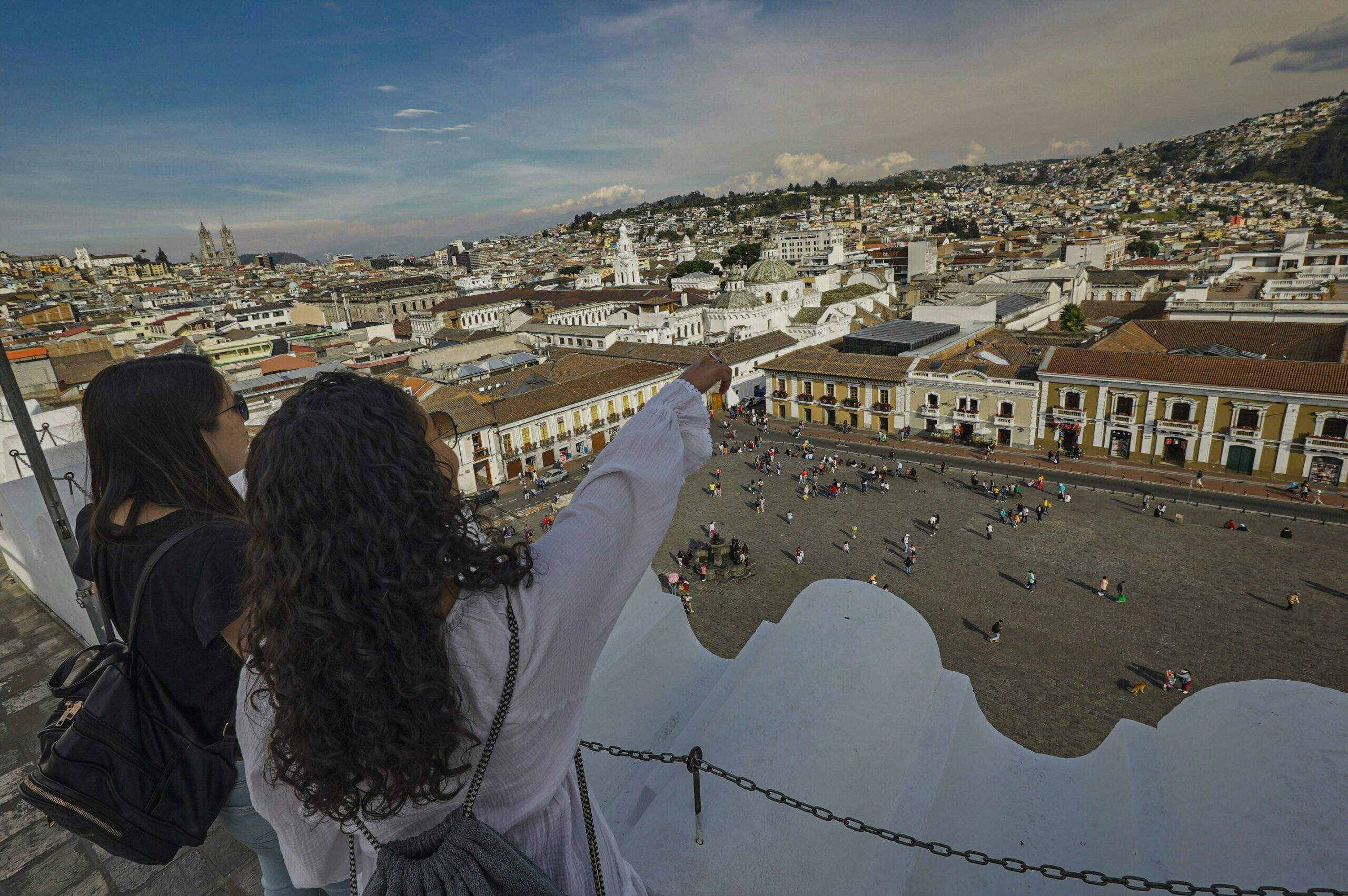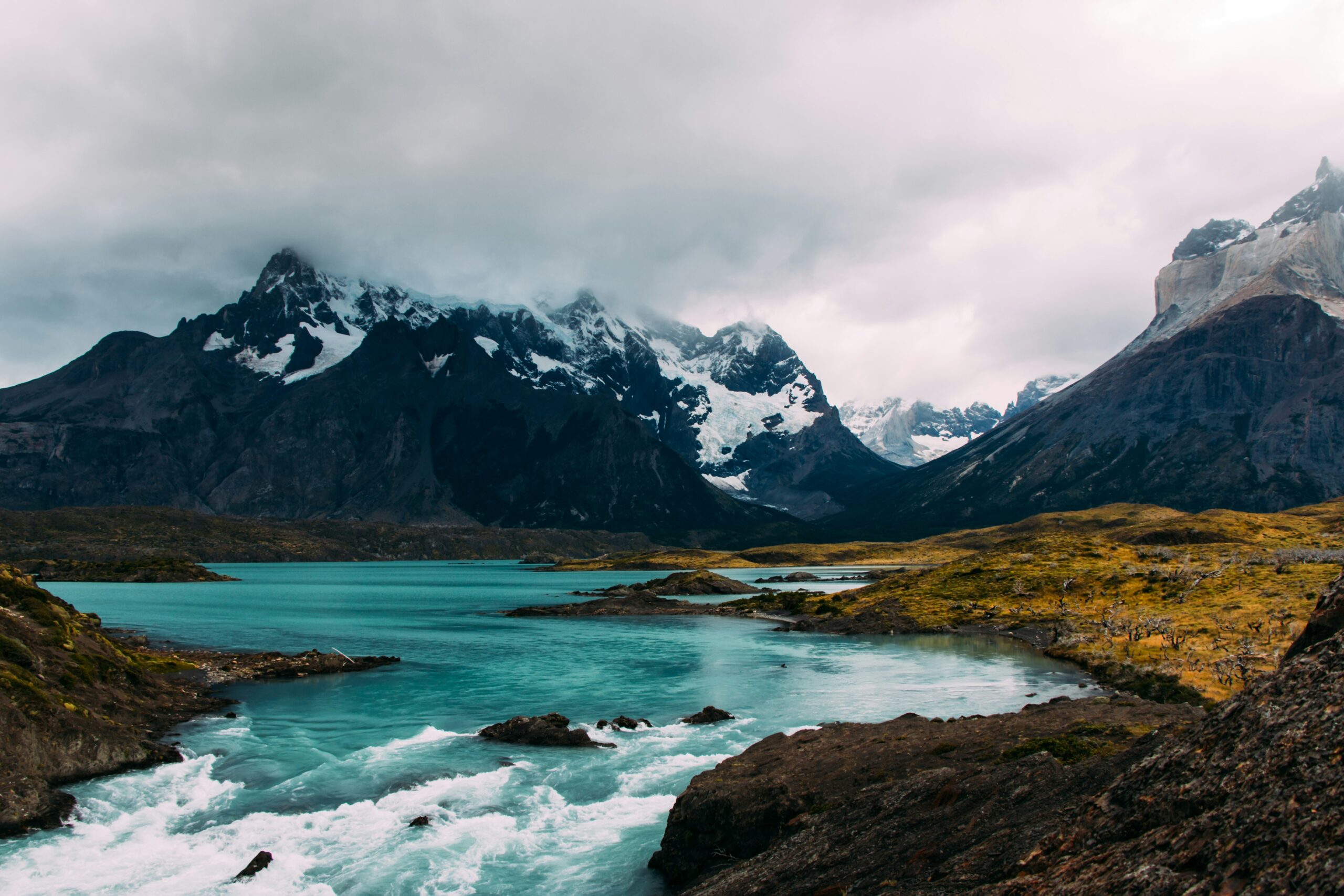
Security measures in Ecuador are being strengthened so that both domestic and international tourists can visit the country and enjoy its many wonders with greater confidence and peace of mind.
Specialized Police Assistance for Tourists
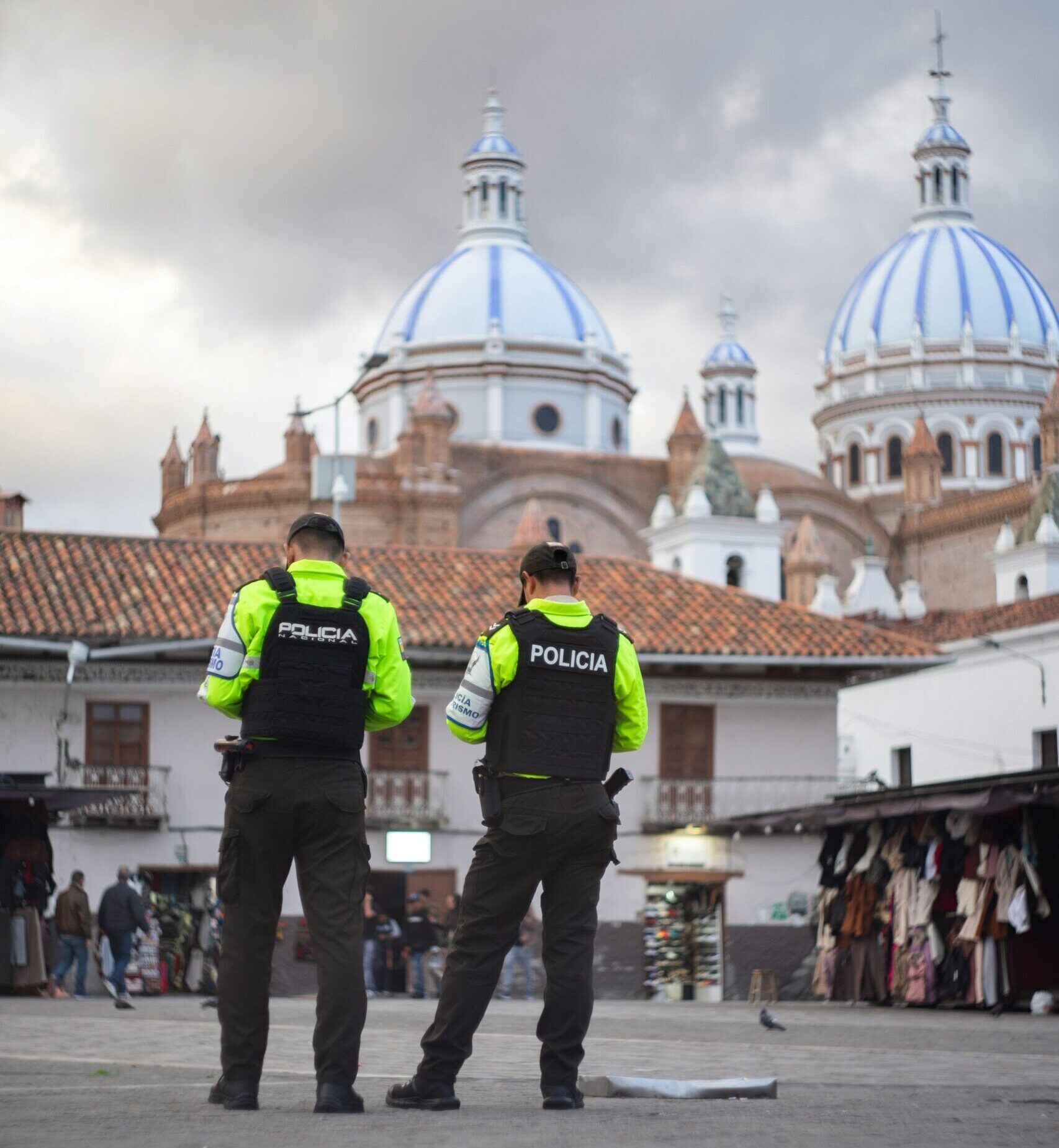
As part of these efforts, Ecuador has police officers specialized in tourism who provide assistance, guidance, and information to visitors in different destinations and tourist areas.
Their work is not limited to providing security. These officers can also help travelers with different aspects of their visit, including places of interest, safety recommendations, and other services they may need during their stay.
In Quito, the Tourist Police have a presence in strategic areas and locations with a high number of visitors.
In addition, in July, 123 new police officers joined the force to strengthen security in the Galápagos Islands, increasing the security presence in one of Ecuador’s most important tourist destinations.
Tips for Traveling Safely in Ecuador
Although Ecuador is a welcoming destination with a wide variety of tourist experiences, as in any country, it is important to take some basic precautions to enjoy your trip with greater peace of mind.
1. Keep Your Valuables Safe
Avoid carrying large amounts of cash, jewelry, or expensive items when visiting tourist areas. Carry only what you need and keep your belongings with you at all times.
2. Protect Your Documents
Keep your passport, identification, credit cards, and other important documents in a safe place. For everyday activities, carry only the documents you actually need. It is also a good idea to keep digital copies of your important documents in a secure location.
3. Stay Alert in Crowded Places
In markets, bus terminals, public transportation, events, and other crowded places, pay special attention to your bags, backpacks, mobile phones, and other personal belongings.
4. Avoid Walking Alone in Unfamiliar Areas at night
If you are unfamiliar with an area, avoid walking alone at night. For nighttime transportation, use authorized services and ask your hotel, tour guide, or trusted travel operator for recommendations.
5. Use Authorized Transportation
Do not use taxis or vehicles that do not have the required identification and permits. Whenever possible, use transportation services recommended by your hotel, travel agency, or tour operator.
6. Do Not Accept Objects or Packages from Strangers
Avoid accepting objects or packages from people you do not know.
7. Get Information Before Taking Part in an Activity
Before visiting a destination or going on an excursion, check the local conditions, opening hours, routes, and safety recommendations.
If you plan to take part in adventure activities or visit natural areas, it is recommended that you use formal tour operators and authorized guides.
8. Choose Reliable Tourist Services
For excursions, transportation, and other activities, try to book through formal travel agencies and reputable tour operators. This can help ensure that you receive clear information about the services you are booking and have access to assistance during your trip.
Where Can You Find Tourist Assistance in Quito?
If you are visiting Quito and need guidance or assistance, you can go to the following tourist security offices:
La Mariscal
Address: Roca and Reina Victoria, Foreign Affairs Building
Phone: +593 2 254 3983
Historic Center
Address: Plaza Grande, Casa de los Alcaldes Building, north side, Chile Street, between Venezuela and García Moreno Streets
Phone: +593 2 295 5785
La Ronda
Address: Morales Street, House 999, La Ronda area
Phone: +593 2 295 6010
Quitumbe Interprovincial Bus Terminal
Address: Inside the Quitumbe Bus Terminal
Phone: +593 2 382 4765
What Should You Do in an Emergency?
In case of an emergency in Ecuador, you can call 911, the national emergency number.
It is also a good idea to save the contact information for your hotel, travel agency, tour guide, or tour operator. Having this information readily available can make it easier to get assistance if you experience any problems during your trip.