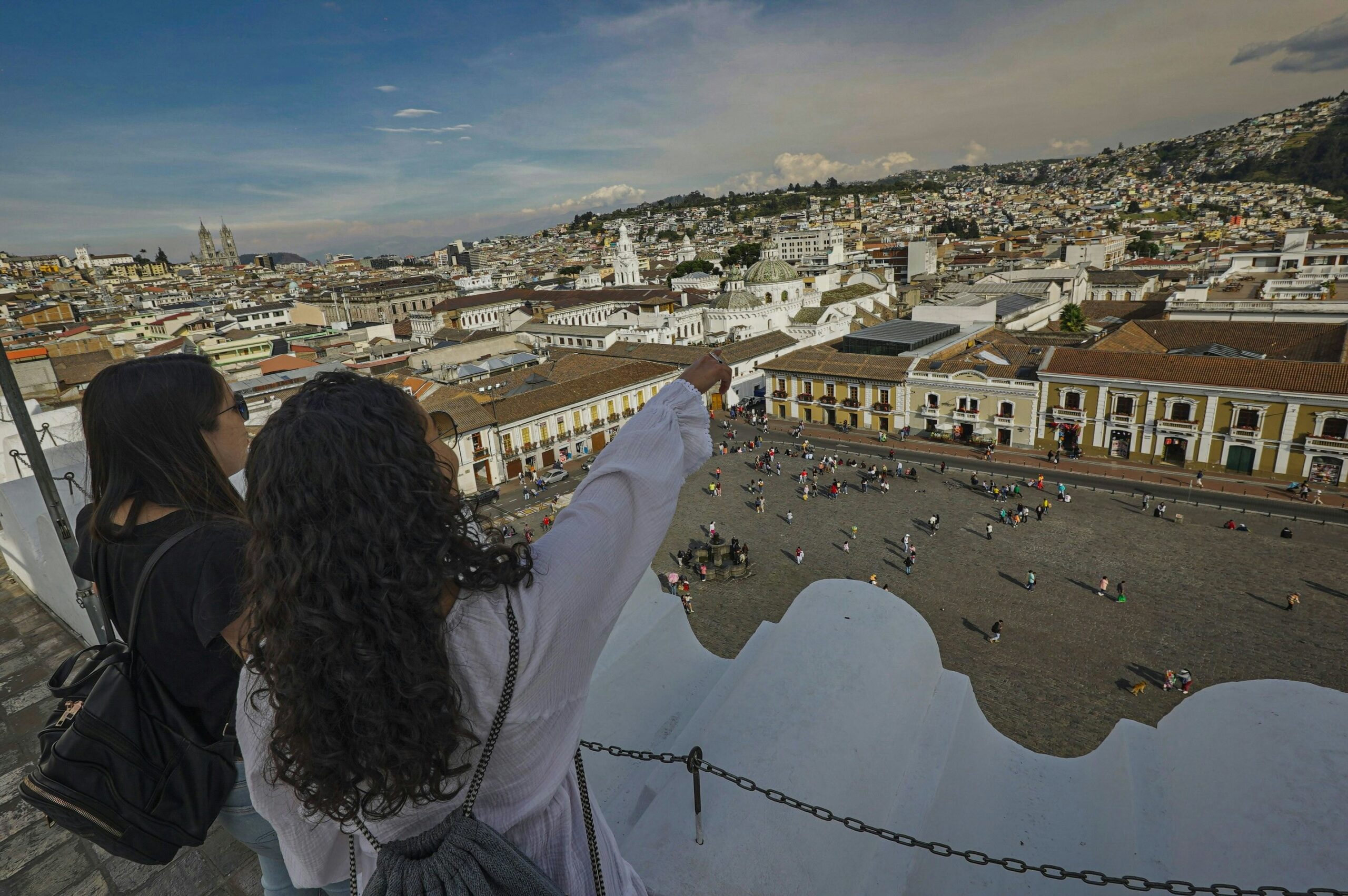
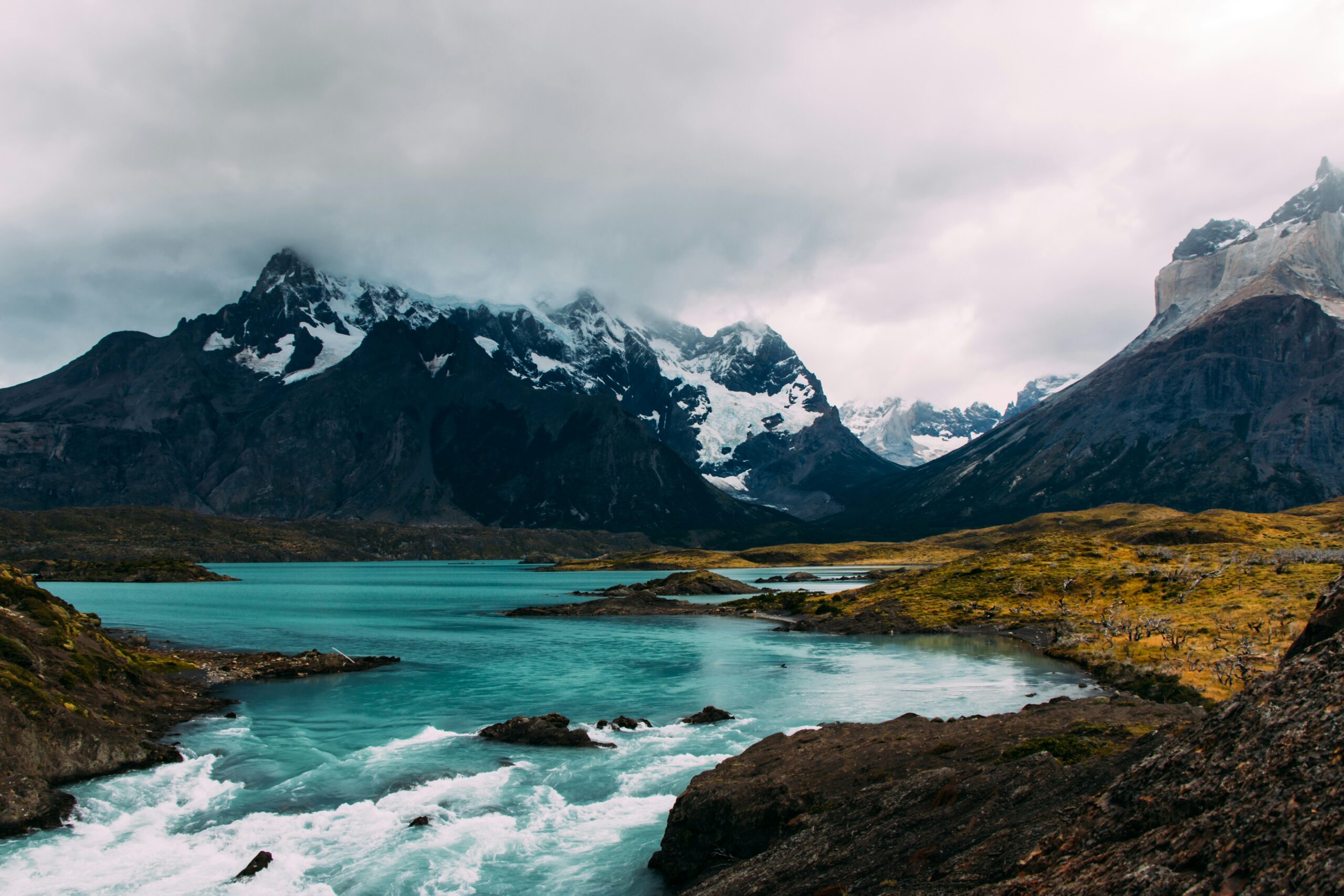
Experience a destination beyond what you see in travel guides to experience a country in a more meaningful way.
Over time, many destinations have adapted to visitors by offering more services, more comfort, and more tourist-friendly experiences. But do we really connect with the cultural essence of a place? The true spirit of a destination lies in its people, traditions, and way of life. To experience it, we must look beyond the typical tourist attractions and discover the local experiences that help us understand a place from within.

What if the most meaningful part of your journey lies beyond the places everyone visits?
Travel is about more than visiting famous landmarks, taking photographs, or checking destinations off a bucket list. While iconic attractions offer a wonderful introduction to a country, some of the most meaningful travel experiences happen away from the usual tourist routes. They happen when you meet local people, discover the stories behind everyday traditions, explore a neighborhood at your own pace, or learn to see a destination through the eyes of those who call it home.
This is the essence of cultural travel: experiencing a country beyond its postcard-perfect images and connecting with the people, customs, and traditions that give it its identity.
For travelers seeking a deeper connection with the places they visit, learning how to experience a country like a local can transform an ordinary vacation into a journey filled with discovery, understanding, and lasting memories.
What is a Cultural Travel?
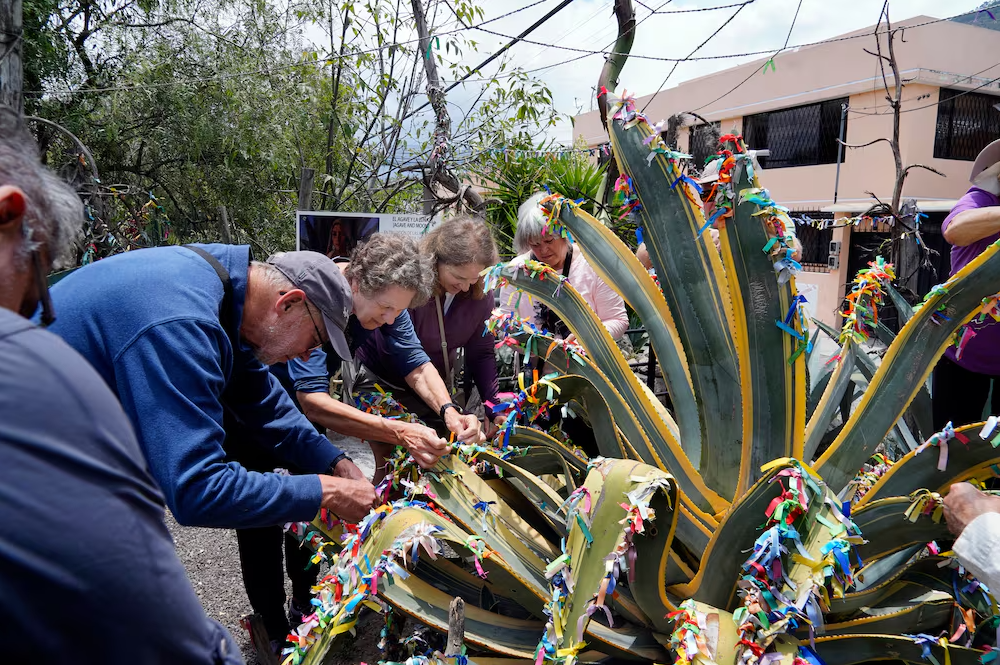
Cultural travel is travel with a purpose. It goes beyond visiting a destination; it’s about understanding it through the eyes of local people, connecting with their traditions, worldview, and gastronomy. Instead of focusing exclusively on attractions, travelers make an effort to understand what makes a destination unique.
This doesn’t mean skipping iconic landmarks or changing your bucket list. This might mean visiting a small Andean community in Ecuador, walking through a historic neighborhood with a local guide in Colombia, learning about traditional weaving in Peru, or discovering the cultural influences that shape daily life in Mexico.
Cultural travel does not require abandoning popular attractions or avoiding well-known destinations. Rather, it means looking beyond the surface and understanding the stories that make each place special. The difference is not necessarily where you go, but how you experience it.
Here are a few tips to experience a destination beyond the tourist trail:
1. Connect with Local People
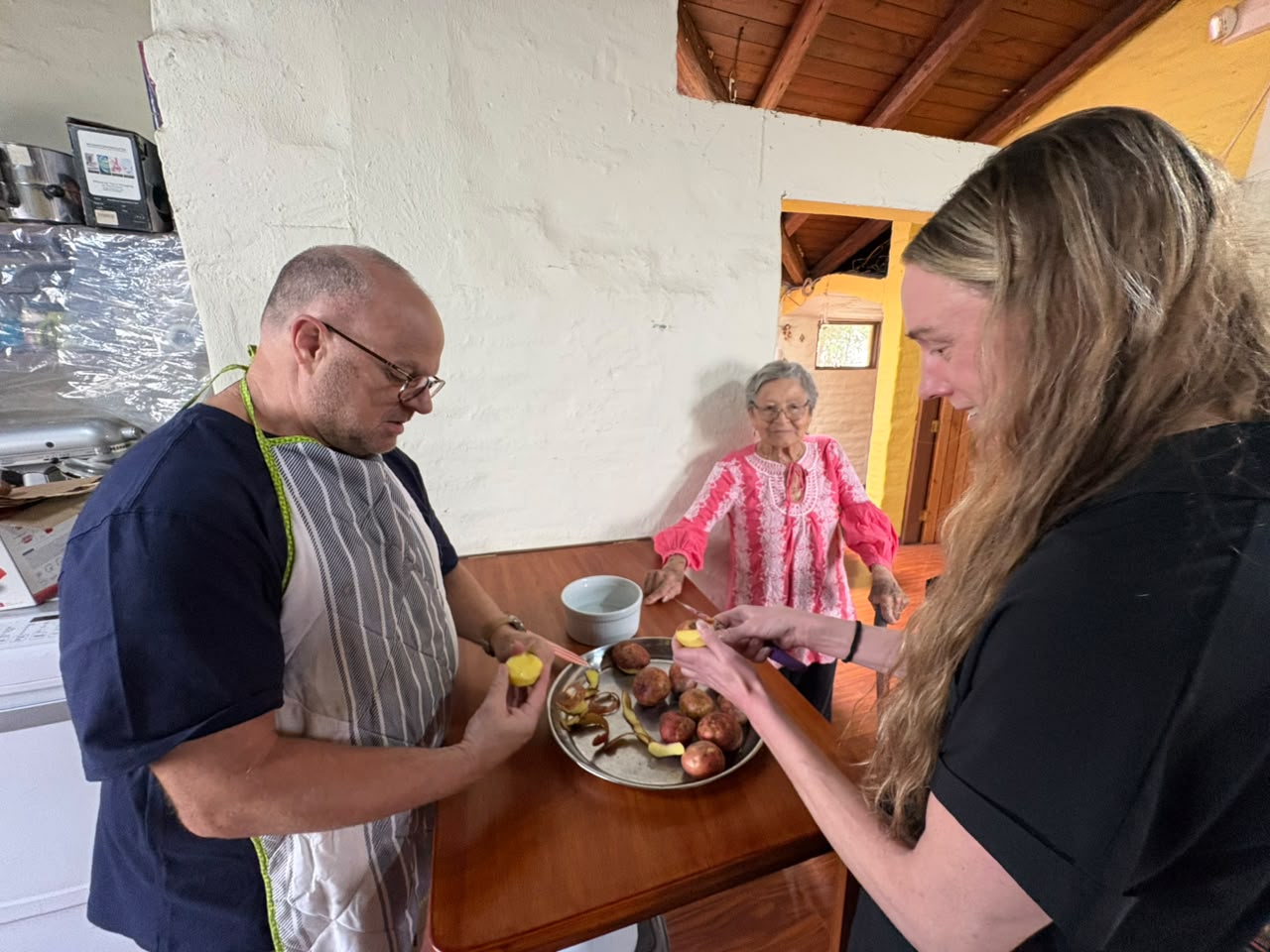
One of the best ways to understand a country is through its people. A conversation with local residents, a walk through a neighborhood with a local guide, or a visit to a family-run business can offer perspectives that guidebooks and travel websites often cannot provide.
These encounters do not need to be elaborate or carefully planned. Sometimes, the most memorable moments happen naturally, whether it’s learning a few words in the local language, asking about a regional tradition, or hearing how a particular place has changed over time.
More importantly, approach these experiences with curiosity and respect. Ask thoughtful questions, listen with an open mind, and remember that meaningful cultural exchange begins with mutual respect.
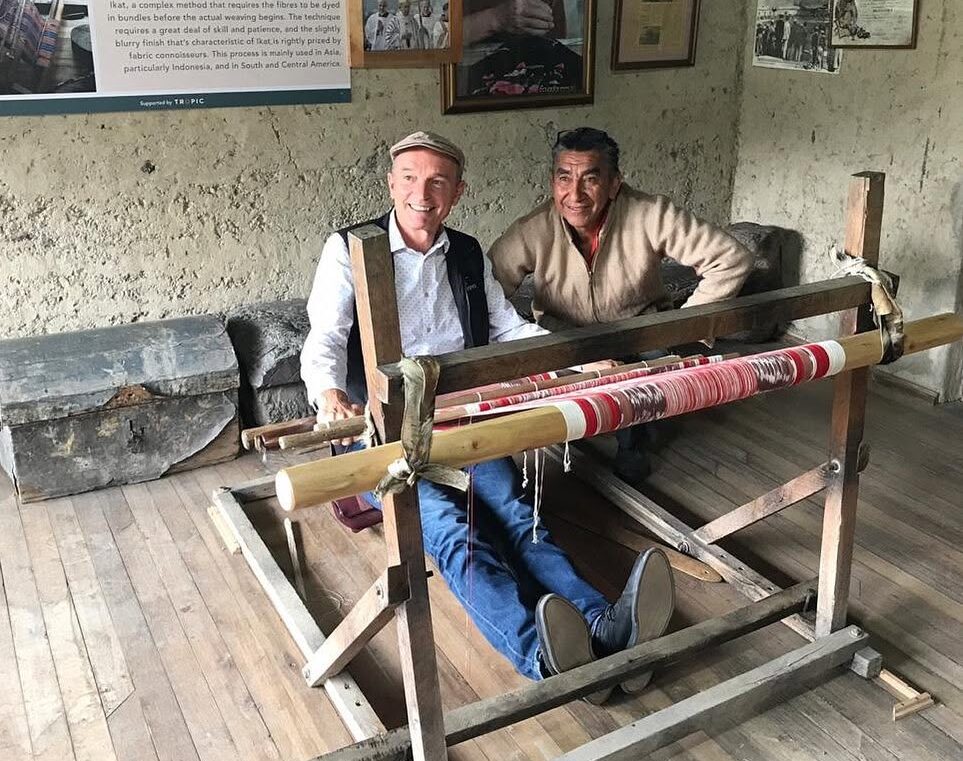
2. Learn About Local Traditions and Cultural Heritage
Every destination has traditions that reflect its history and identity, from traditional crafts, music, and festivals to architecture and community practices passed down through generations.
In the Andes, Indigenous communities preserve ancestral knowledge and customs connected to the land and community life. Across Latin America, cultural traditions reflect a rich blend of Indigenous, Spanish, African, and contemporary influences.
To understand these traditions more deeply, seek meaningful experiences such as visiting local artisans, learning from community guides, or exploring cultural centers. These encounters help travelers discover not only how traditions are practiced, but also why they matter.
Culture is constantly evolving, and experiencing a country like a local means appreciating both its heritage and the ways communities continue to shape their identity today.
3. Learn a Few Words of the Local Language
You don’t need to speak another language fluently to connect with local people while traveling. Learning a few basic greetings and expressions shows respect and makes everyday interactions more meaningful.
Across Latin America, Spanish is widely spoken, while Portuguese is the main language in Brazil. Beyond this, Indigenous languages remain an important part of cultural identity. In the Andes, Kichwa and Quechua preserve ancestral traditions, while in Mexico, languages such as Nahuatl and Maya continue to connect communities with their heritage.
Even learning a simple greeting or saying thank you in a local language can create warmer exchanges. The goal is not perfection, but a genuine effort to understand and connect with the people and cultures you encounter.
4. Visit Local Markets and Discover Everyday Life
Local markets offer a glimpse into a country’s traditions, regional products, and everyday life. They reveal how communities interact and preserve their cultural identities across generations.
In Ecuador, Otavalo is known for its Indigenous crafts and textiles, while markets across Peru or Guatemala showcase regional products and artisanal traditions.
To make the most of your visit, take time to observe, ask questions respectfully, and learn about the people and traditions behind the products. And if you want to take some photos, always ask for permission before photographing someone.
A market visit becomes far more meaningful when it is approached as an opportunity to learn rather than simply another stop on a sightseeing itinerary.

5. Support Local Businesses and Community Experiences
Not all the money travelers spend stays in the local economy. In highly touristic destinations, international hotel chains and large businesses are often more present, making it important to seek out locally owned alternatives.
Choose family-run accommodations, traditional restaurants, independent businesses, local guides, and small artisans. Buying directly from them helps support local livelihoods while giving you the opportunity to discover authentic products, flavors, and traditions.
Responsible travel also means respecting communities, their customs, and their way of life. Take time to learn from local people and choose experiences that benefit residents and value their cultural and environmental heritage.
Small choices can make a difference. Supporting local businesses helps ensure that tourism benefits not only visitors but also the communities that make each destination special.
5. Travel with Respect and an Open Mind
Traveling like a local means approaching different cultures with curiosity and respect, understanding that each community has its own history, values, and way of life.
Be open to learning, respect local customs and guidelines, ask permission before taking photographs, and remember that you are a visitor. Not every space or tradition is meant to be shared with travelers.
Avoid assumptions and expectations about what an authentic experience should look like. Every community is diverse and constantly evolving.
The best way to experience a destination is with humility, an open mind, and a willingness to learn from the people who call it home

Experience More Than a Destination
Ultimately, cultural travel is not about pretending to be a local or discovering a secret version of a country that no visitor has ever seen. It is about approaching travel with greater curiosity, respect, and openness.
It means understanding that the character of a destination is found not only in its famous landmarks but also in its neighborhoods, conversations, traditions, landscapes, and everyday moments.
You may arrive for the architecture, the mountains, the wildlife, or the history. But the people you meet and the stories you learn can give those experiences a deeper meaning.
The next time you plan a trip, consider asking yourself a different question. Instead of asking only, “What should I see?” ask, “What can I learn about the people and the place I am visiting?”
That small change in perspective can transform the way you travel.
Because the best journeys are not simply about how many places you visit. They are about how deeply you connect with them.
At Guidecuador Travel, we believe that the most meaningful journeys begin with local knowledge and genuine human connections. From the remarkable landscapes of Ecuador and the Galápagos to the cultural richness of destinations across Latin America, our goal is to help travelers discover not only where they are going, but what makes each place special.
Don’t just visit Latin America. Experience it through the eyes of those who call it home.